Can you trust a familiar voice? How voice-cloning scams work
23/07/2026
Imagine a family member calls you. You recognise the voice instantly and they say they need urgent help. Would you stop to check before responding?
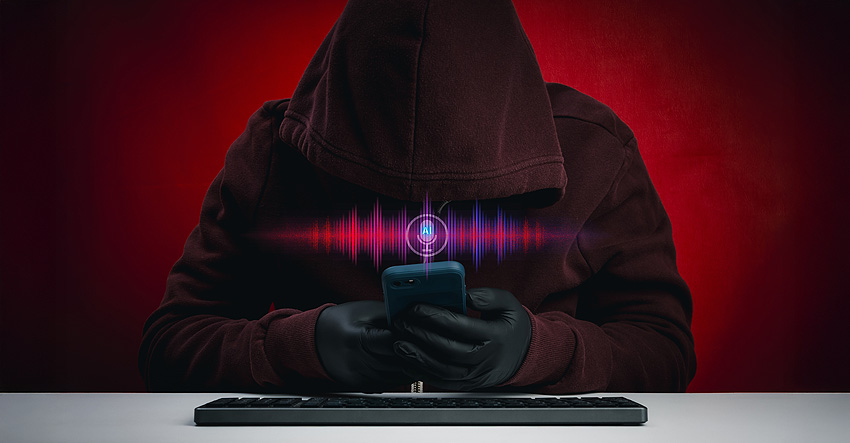
This situation may seem far-fetched, but it’s now technically possible. With artificial intelligence, cyber criminals can mimic a person’s voice using just a few seconds of an audio sample.
Scammers can use voice cloning to pose as relatives, friends or even senior colleagues. They typically use urgency and pressure to push the victim into acting hastily, without checking the facts first. The aim is to take advantage of the trust we place in a familiar voice to obtain money or personal information.
These scams are not always easy to spot, but there are warning signs that can help:
- Messages or calls that pressure you into acting immediately.
- Unusual requests for money or information.
- Vague answers or inability to provide specific details.
- Attempts to stop you checking the facts by other means.
What can you do to protect yourself?
When faced with this type of fraud, caution is essential:
- Stay calm and avoid acting on impulse.
- Always verify the information, for instance, by calling the person’s usual number.
- Don’t share personal data or send money until you’ve confirmed the request is genuine.
- You might find it helpful to agree on a code word with people you trust for use in urgent situations.
As technology evolves, so do the scammers’ methods. A familiar voice can no longer be taken as proof of identity. So, when a request comes out of the blue, take time to check the facts and act only when you’re confident that it’s genuine.