Cash remains the primary means of payment at brick-and-mortar stores
27/01/2026
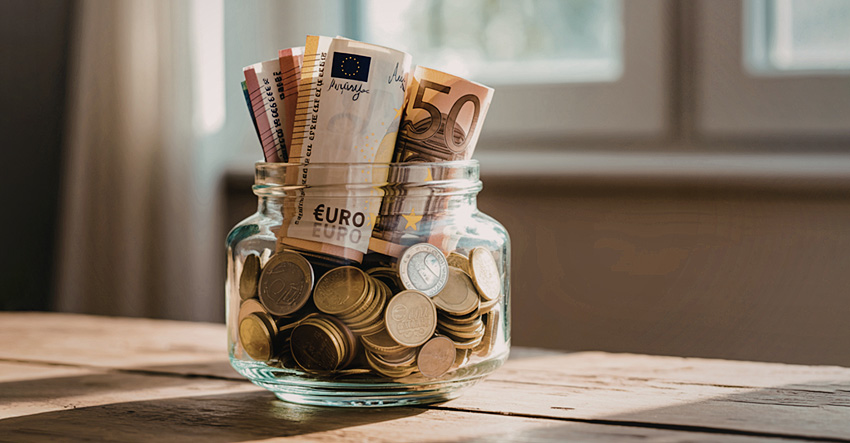
Despite the increased frequency of digital payments, cash continues to be essential in everyday life and very common at small retailers. According to the most recent Banco de España study, 57% of consumers use it as their primary payment option in conventional shops and 55% use it daily, although both percentages have declined slightly since 2024. Bank cards continue to be the second-most-frequent payment method (27%), followed by mobile devices, the use of which has risen to 15%.
These are some of the findings drawn from the Banco de España’s recently published Study on Cash Use Habits.Abre en ventana nueva
Cash continues to be accepted at all establishments, while the acceptance of cards and mobile payments continues to gradually rise. Most merchants obtain change on their own and verify the authenticity of banknotes.
The accessibility of and trust in cash continue to be essential factors, especially in locations without permanent bank branches and among older cohorts. The main reasons for cash payments are habit, convenience and control of spending. By contrast, speed and convenience are driving the use of cards and mobile devices. In addition, cash continues to be the safest payment method when electronic systems fail and as a guarantee of privacy.
As for person-to-person payments, cash is also the most customary method (57%), although its use is declining in favour of Bizum, especially among persons under 45 and those with a higher education.
Lastly, familiarity with the digital euro remains limited (24% of the population). Nevertheless, the youngest consumers appear to be more predisposed to using the digital euros as a complement to current methods.