A few things you may want to know about the EURIBOR
24/09/2026
Most of us have heard of the EURIBOR, especially those of us with a mortgage. But how much do we really know about how it works, why it goes up and down and how it affects our personal finances?
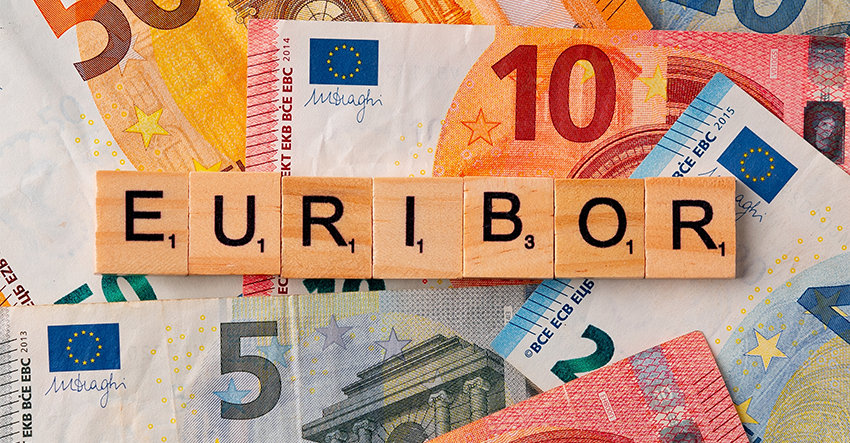
The term EURIBOR stands for Euro Interbank Offered Rate. It is a benchmark interest rate that reflects the cost at which euro area banks can obtain funding at different maturities. The EURIBOR is widely used as a benchmark for variable-rate mortgages.
It was first calculated on 1 January 1999 as the benchmark rate for the euro. In Spain, it replaced the MIBOR, which reflected the rate at which banks lent to one another on Madrid’s interbank market. Before the euro was introduced, most variable-rate mortgagesAbre en ventana nueva in Spain were linked to the MIBOR. Since then, the EURIBOR has become a key benchmark for determining the cost of variable-rate loans and mortgages.
When a bank extends a variable-rate mortgage, it typically applies a fixed spread on top of the 12-month EURIBOR, which is the benchmark most commonly used in Spain.
How is it calculated?
Every day, a group of major euro area banks reports the interest rates at which they have obtained unsecured funding (a key figure). The EURIBOR is calculated primarily on the basis of actual transactions carried out by the participating banks. When there are not enough transactions for a given maturity, the data can be supplemented with other sources and statistical models.
The EMMI (European Money Markets Institute) then calculates an average, trimming some of the highest and lowest values to arrive at a representative figure.
If your mortgage is linked to the EURIBOR and is due for a rate review (usually every six or twelve months), your bank will use the monthly EURIBOR figure. This is the arithmetic mean of the 12-month EURIBOR rates published daily during the reference month specified in your mortgage contract (typically the previous month or the month before that). As a result, if the EURIBOR rises, your monthly payments will increase; if it falls, they will decrease.
So why does the EURIBOR rise and fall?
- European Central Bank decisions - One of the main factors shaping the EURIBOR.
- Inflation - Higher inflation leads markets to expect ECB interest rate hikes.
- Confidence among banks - Perceived risk in the financial system.
- Liquidity supply and demand - The money available among banks.
In short, the EURIBOR is a key indicator for understanding the cost of money in the euro area. It directly affects household finances, as it determines how much people pay on their mortgages and other loans. Given its importance, the EURIBOR is subject to strict supervision by the European Securities and Markets Authority (ESMA) to ensure that it remains transparent and reliable.
You can find the full historical series of the EURIBOR here.Abre en ventana nueva